Coconut: A Modern Script Font for Web Design
Testing Coconut in a real website project was a refreshing experience. I was working on a boutique online store that needed a more polished and elegant look, and the font quickly stood out as a perfect fit for the brand's aesthetic.
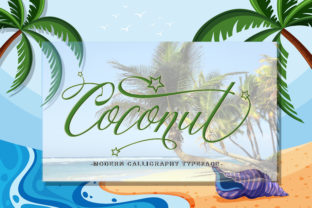
Coconut is a script handwritten font with a modern twist. Each curve is meticulously crafted using horizontal and vertical paths, giving it a clean yet expressive feel. It feels like a natural extension of hand-drawn typography but with the precision and consistency required for digital design.
The first place I tried Coconut was in the hero section of the homepage. The headline "Elevate Your Style" transformed into something more personal and inviting. It added a sense of warmth and creativity without overwhelming the layout. The font's fluidity made it ideal for headers that needed to stand out but still maintain a professional tone.
One of the things I appreciated most about Coconut was its versatility. It worked well in both large and small sizes, making it suitable for different parts of the site. For instance, on the product landing page, I used it for the main title and then paired it with a simple sans serif for the body text. This contrast helped create visual hierarchy while keeping the design cohesive.
Readability was a key concern, especially on mobile screens. I tested Coconut on various devices and found that it remained legible even at smaller sizes. The font's open letterforms and balanced spacing made it easy to read, which is crucial for user engagement and brand trust.
Another area where Coconut shone was in call-to-action buttons. I used it for the "Shop Now" button, and it added a touch of sophistication that matched the brand's identity. The font's curves gave the button a subtle elegance, making it more appealing than a standard sans serif.
I also experimented with Coconut on image overlays. Placing it over a background photo of a product gave the design a more dynamic and artistic feel. The font's weight and style complemented the imagery without competing with it, which is essential for maintaining a clean and focused layout.
For a coaching website, I used Coconut in the header and section headings. It brought a sense of personality and professionalism that aligned with the brand's message. The font's readability on dark backgrounds was particularly impressive, making it a great choice for sites with contrasting color schemes.
When pairing Coconut with other fonts, I found that it worked best with simple, clean typefaces. A basic sans serif like Roboto or Open Sans provided a nice balance, allowing Coconut to shine as a display font without clashing with the rest of the design. This pairing also helped maintain a consistent visual language across the site.
Coconut's multilingual support was another plus. I used it in a blog redesign that included content in multiple languages, and it handled the characters smoothly. This makes it a reliable choice for international brands or websites with diverse audiences.
Before finalizing the design, I checked the font's webfont availability and licensing. Coconut came with all the necessary files for web use, including WOFF and TTF formats. The commercial license allowed me to use it on client projects without any restrictions, which is important for designers who work on multiple sites.
Overall, Coconut proved to be a valuable addition to my design toolkit. Its modern script style, combined with strong readability and versatility, makes it a great choice for a wide range of web projects. Whether it's for a creative portfolio, an online store, or a coaching website, Coconut adds a touch of elegance and character that enhances the overall user experience.
As I continued working on the project, I found myself reaching for Coconut more often. It became a go-to font for headers, logos, and decorative elements, proving that it's not just a pretty font but a practical one as well. Its ability to adapt to different contexts while maintaining its unique personality is what sets it apart from other script fonts.
For designers looking to add a modern, handwritten touch to their websites, Coconut is definitely worth considering. It offers the perfect blend of style and functionality, making it an excellent choice for anyone who wants to elevate their digital brand experience.
From the initial testing phase to the final implementation, Coconut delivered on its promise. It's a font that not only looks good but also works well in real-world web design scenarios. Whether you're building a new site or redesigning an existing one, Coconut can help you create a more engaging and visually appealing online presence.
As I wrapped up the project, I felt confident that the choice of Coconut had contributed to a more polished and professional look. It's a font that understands the needs of modern web design and meets them with style and precision.